,,,,,,,,,,,,,,,,,,,,,,,,,,,,,,,,,,,,,,,,,,,,,,,,,,,,,,,,,,,,,,,,,,,,,,

How flooring supports biophilic design

How flooring supports biophilic design

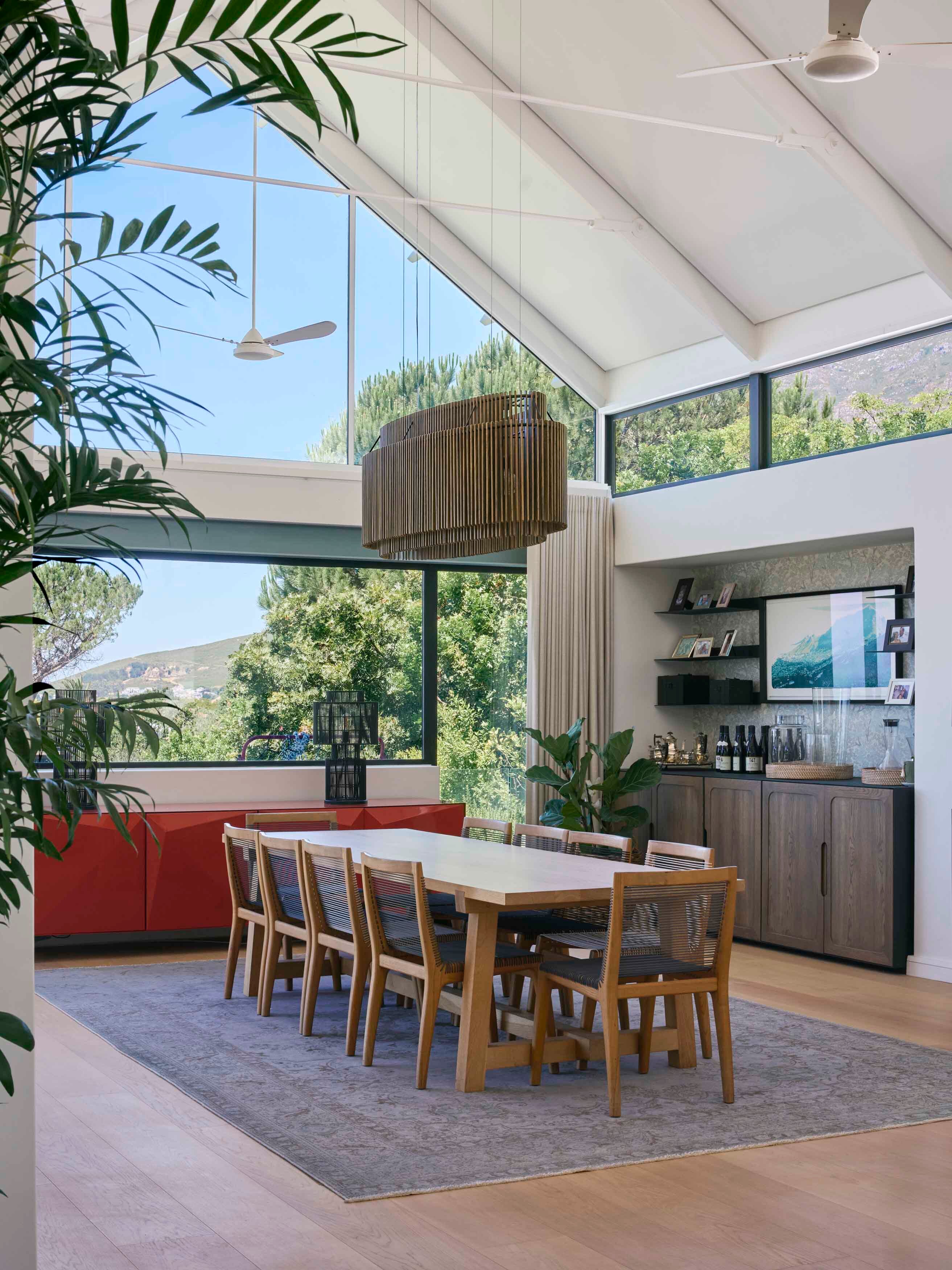
We are increasingly craving nature indoors, but how does it shape the floors beneath us? Have you noticed that when you step into a space that feels good, you notice it before you actually see it. The air feels calmer. The light is softer. Materials invite you to slow down. This is biophilic design at work.

“Biophilic design goes beyond adding a few plants or opening a window,” says Hannes Boman, Head of Design at Bjelin. “It’s about how a space feels in your body, it’s about reconnecting interiors with the patterns, textures and rhythms we associate with nature.” In a world where most of us spend over 80% of our time indoors, that connection seems essential.

From concept to surface

While walls and furniture often get a lot of attention, flooring plays a disproportionate role in how a space reads – and feels. “The floor is the surface we’re in constant contact with, visually and physically,” explains Hannes Boman. “And in a biophilic context, the floors anchor the entire room.”

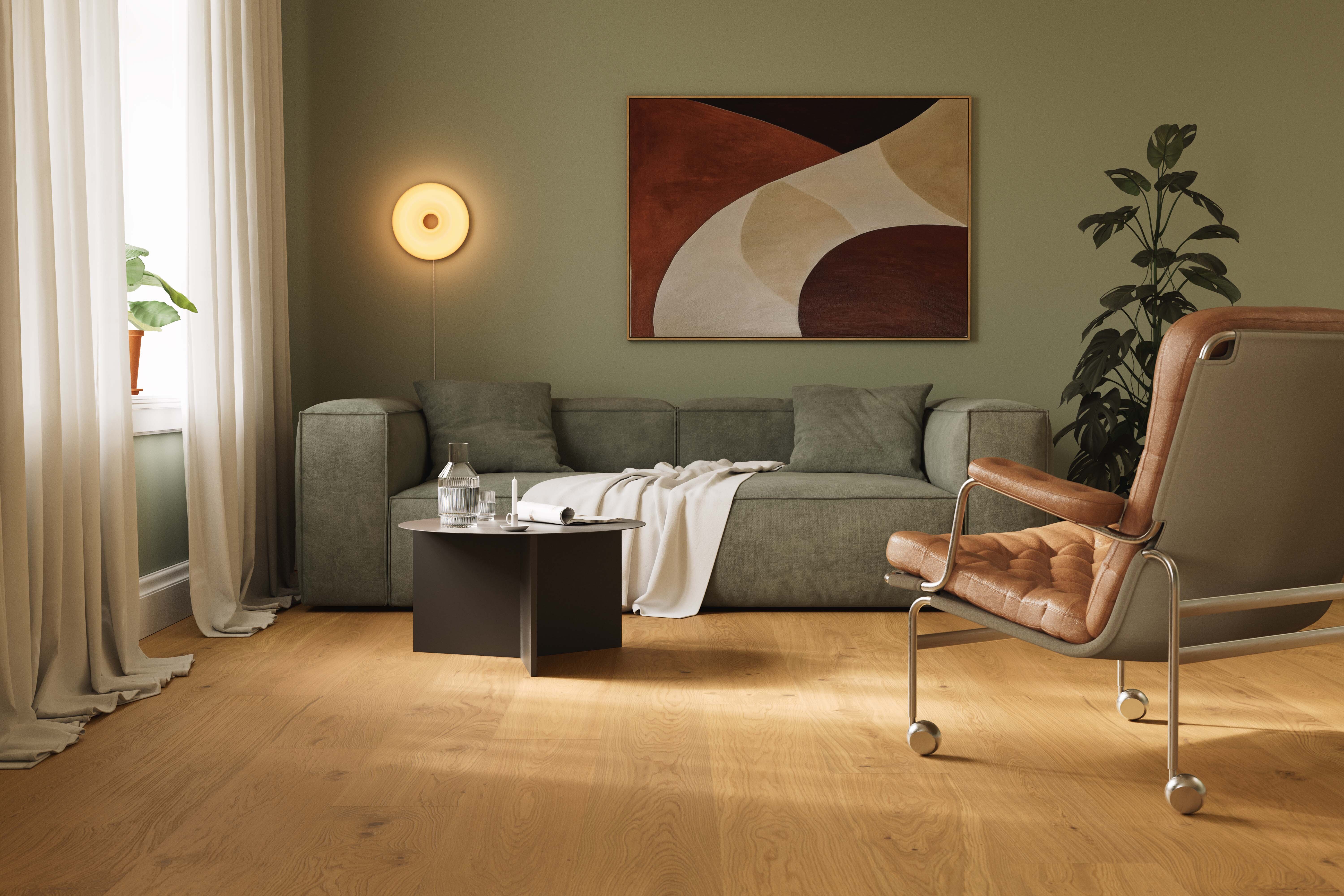
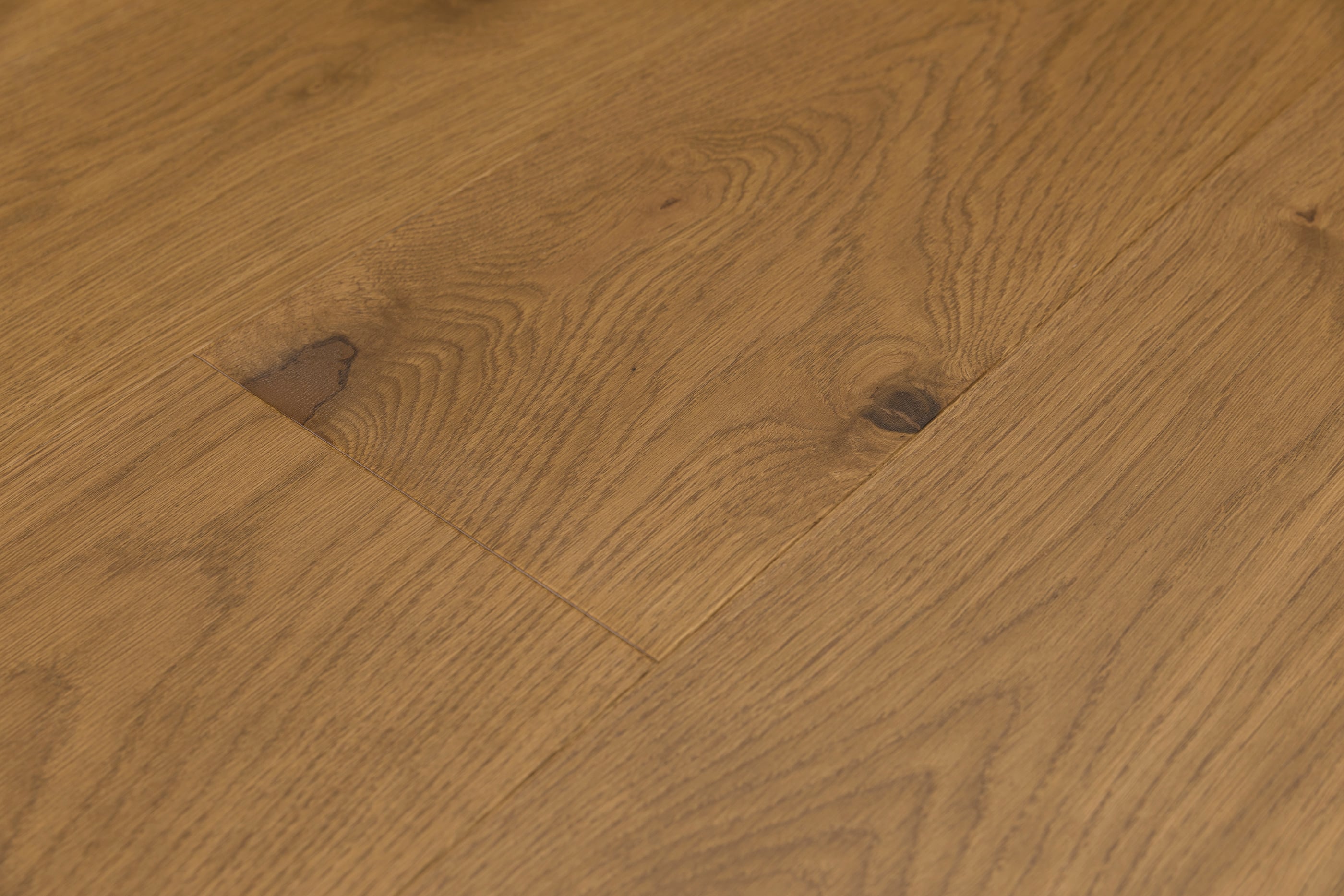
By choosing a material that reflects natural variation, it creates a foundation that feels authentic. “Wood flooring, in particular, aligns closely with biophilic principles,” says Hannes Boman. “The organic patterns introduce subtle irregularity, something our brains instinctively recognize as natural.” Unlike uniform surfaces, wood evolves with light and use, adding depth over time.

Shifting from perfection to authenticity

A defining characteristic of biophilic design is the move away from overly processed, uniform materials. Instead, there’s a growing preference for surfaces that reflect how materials exist in nature.

”Biophilic design is inherently cradle-to-grave in its approach, considering every stage of a product or space’s life,” says Hannes Boman. “From responsible sourcing and natural materials, through thoughtful use and human wellbeing, to durability, reuse and end-of-life impact.”

In the past, there was a push toward perfection, with no knots, no variation and an even color. “Now we’re seeing the opposite,” explains Hannes Boman. “People want materials that feel real. Slight variation in tone or texture makes a space more alive.”
This shift has direct implications for flooring choices. Natural shades and livelier gradings are gaining traction. Lighter, newly sawn expressions can create a fresh, calm foundation, while warmer tones add depth and a sense of shelter.

Light and perception

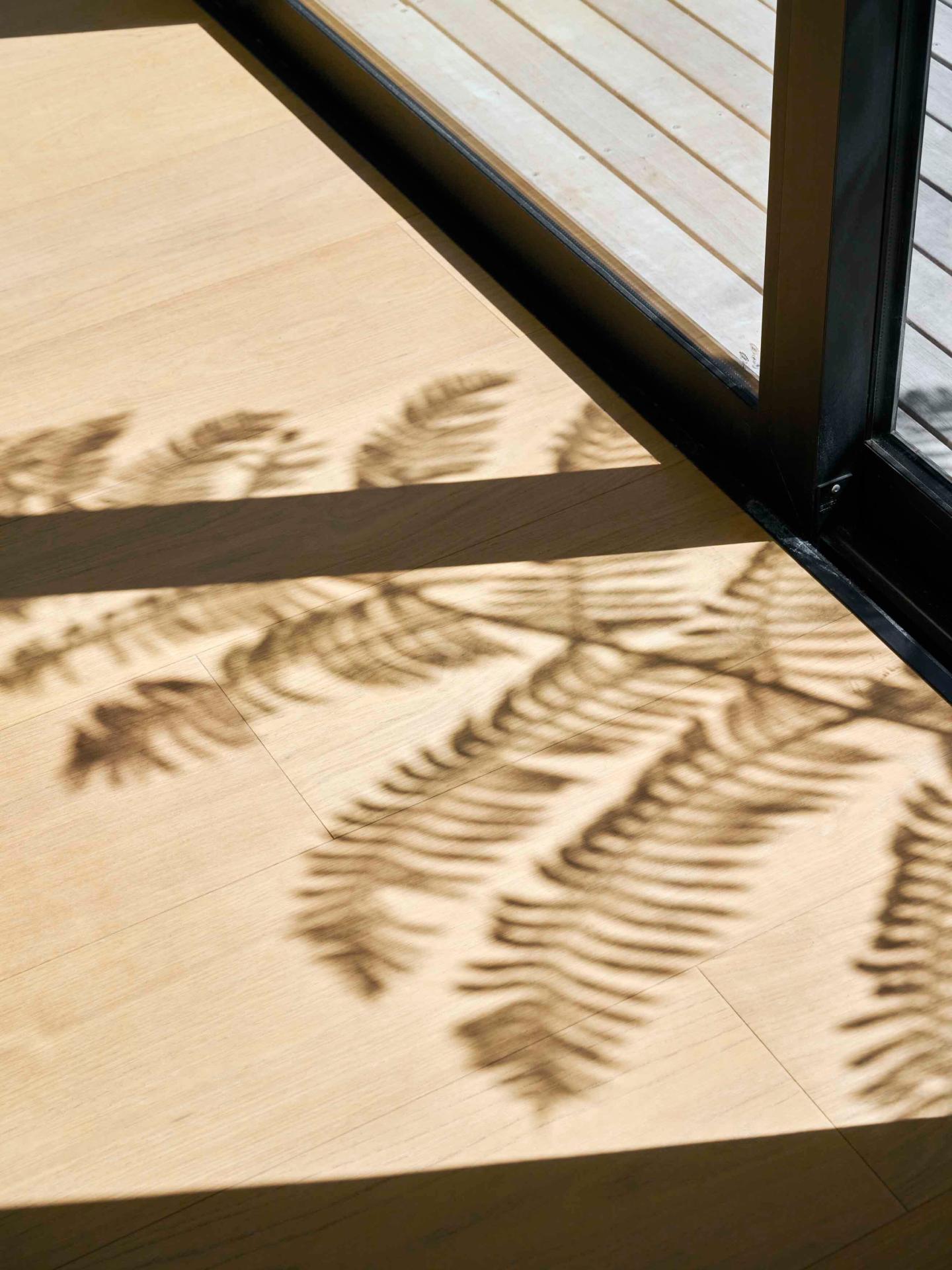
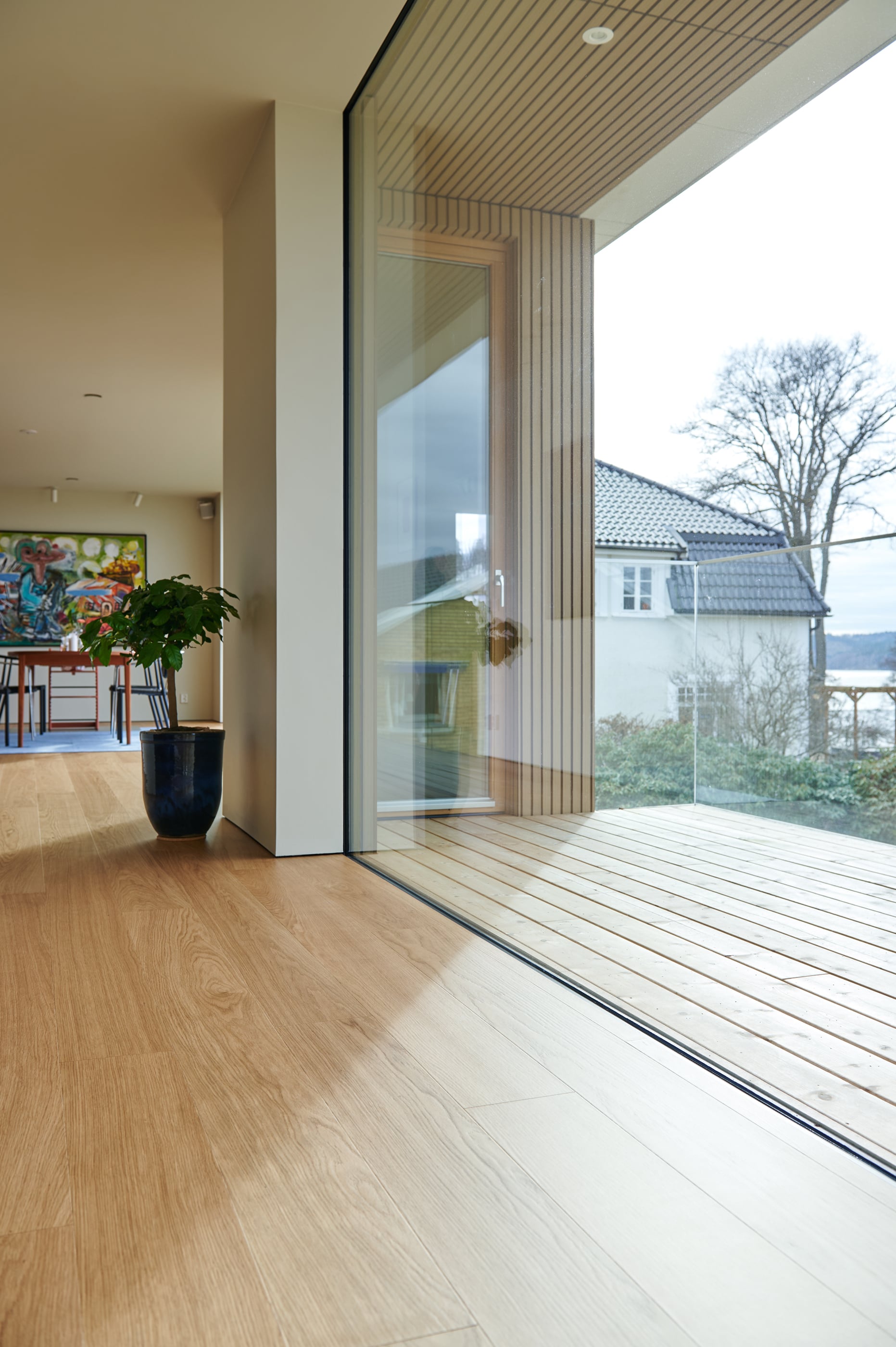
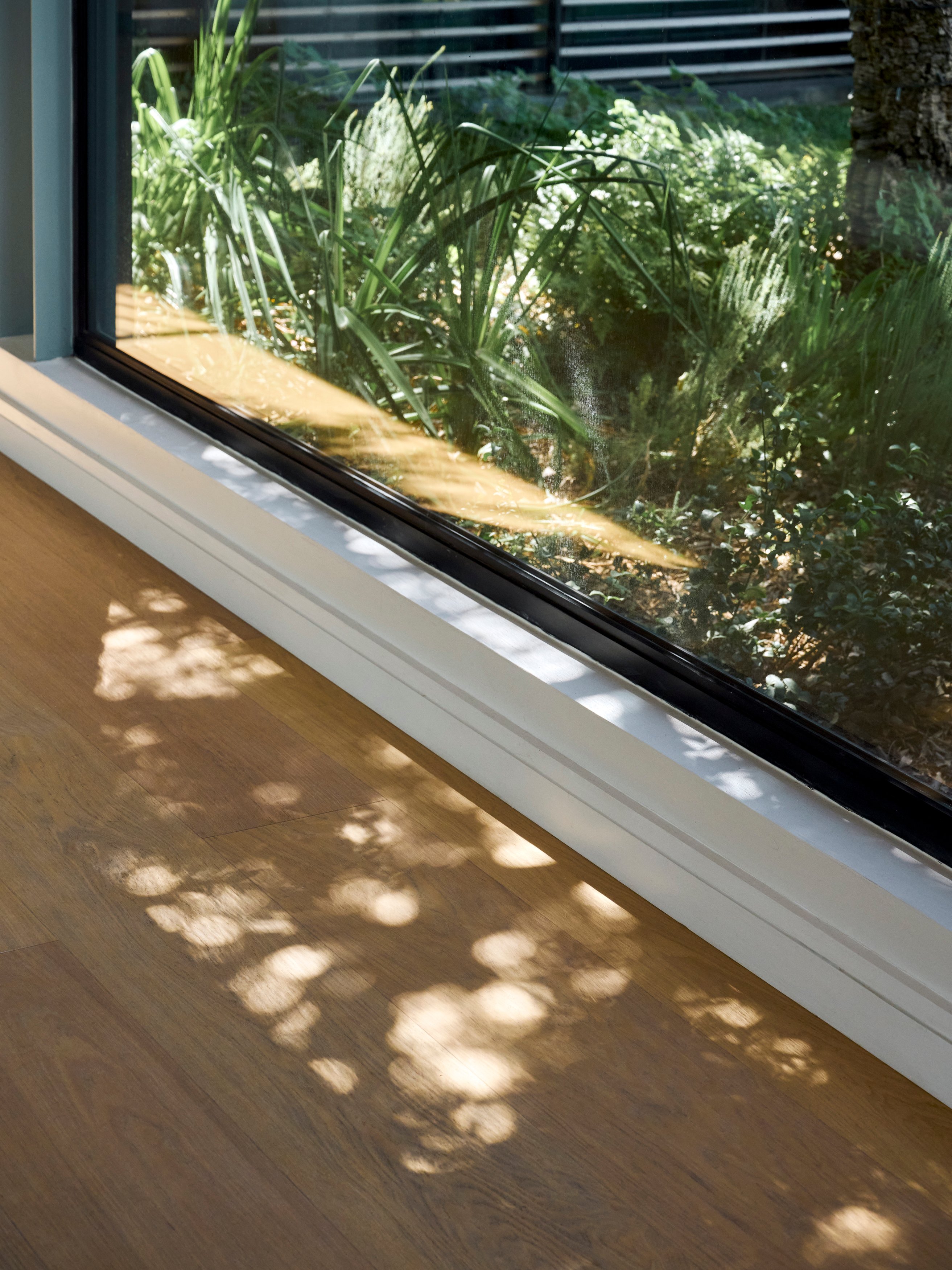
Biophilic design is also about how spaces interact with light, something flooring plays a major role in. Lighter surfaces reflect daylight, creating a more open and airy feeling. At the same time, subtle variation ensures the floor doesn’t feel flat or sterile.

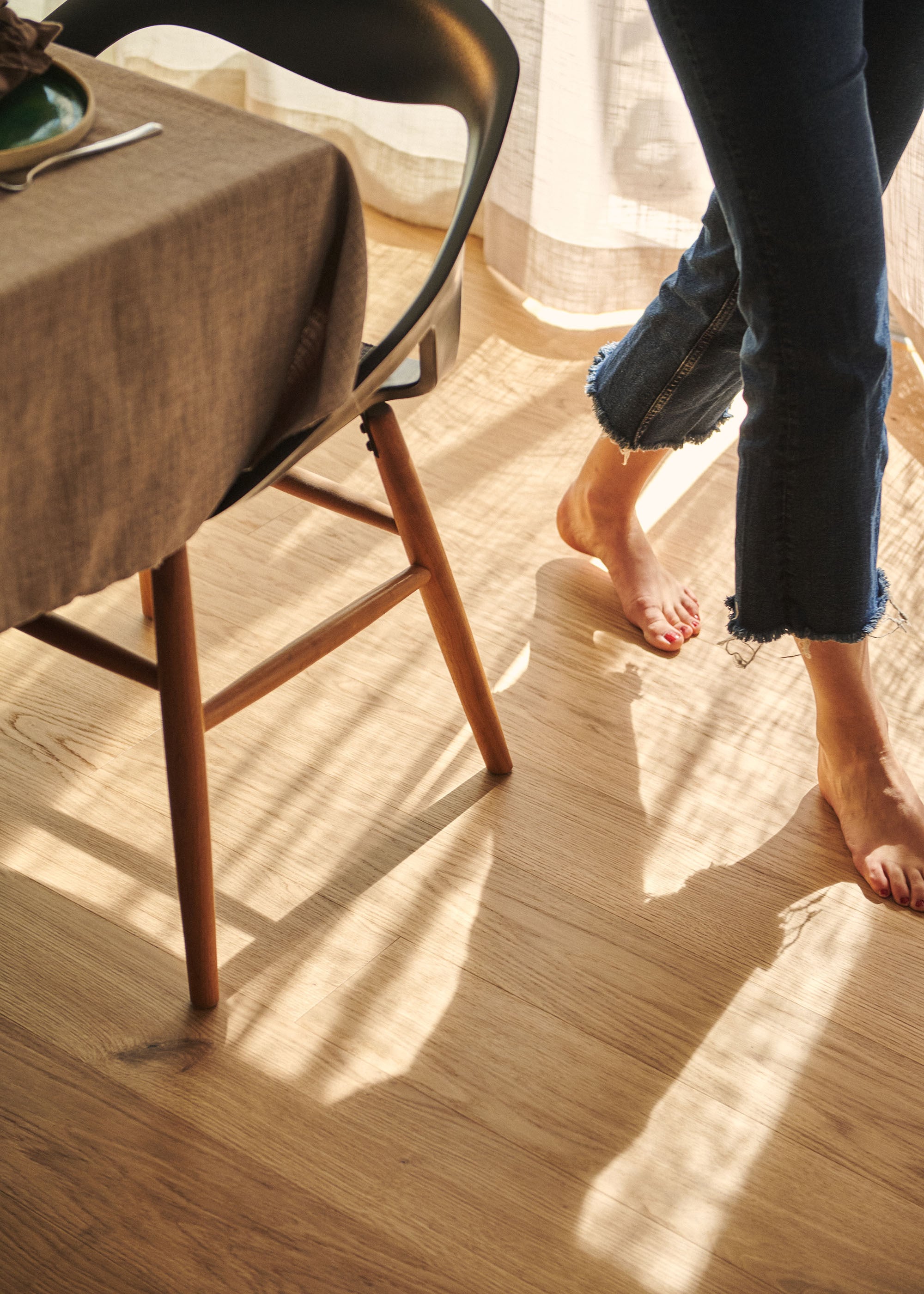
“A good floor responds to the room,” Hannes Boman notes. “As light moves throughout the day, the surface should shift slightly. That’s what gives a space a sense of rhythm.” This dynamic quality becomes especially important in Scandinavian interiors, where natural light changes dramatically between seasons.

Designing for real life

How spaces are used also need to be taken into consideration. There’s an increasing demand for surfaces that combine durability with a natural look. “Biophilic design isn’t fragile,” says Hannes Boman. “It has to work in real homes, with real people. The materials have to be both resilient and visually honest.”

A foundation that shapes everything else

Ultimately, biophilic design is about coherence. Every element contributes to a sense of balance between built space and natural influence. Flooring, as one of the largest surfaces in any interior, plays a critical role in that equation.

“When the floor is right, everything else falls into place,” Hannes Boman says. “It creates a base that feels calm, grounded and connected. That’s what people respond to, even if they can’t immediately explain why.”

In summary, the things that create a sense of calm and belonging are natural materials, variation in texture and the way light interacts with surfaces.